
Traditional Timundya Mela Held at Jyotirmath Ahead of Badrinath Temple Opening
- Uttrakhand
RW Media
- 0
- 3 minutes read
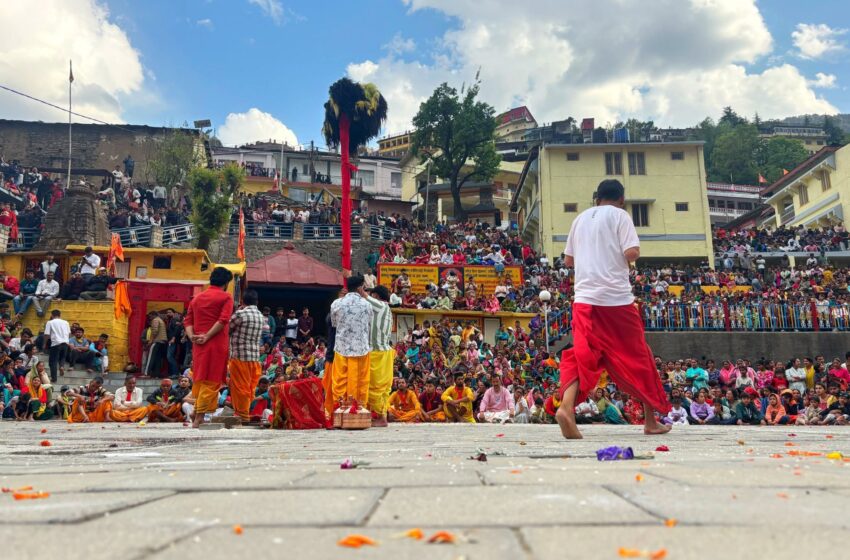
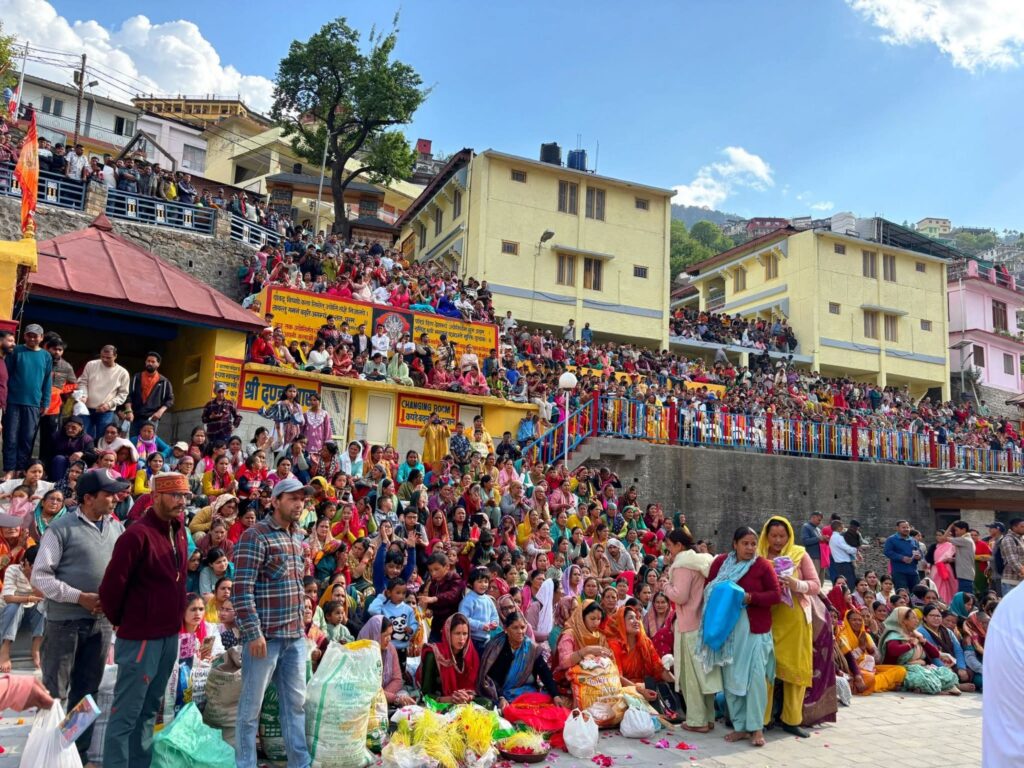
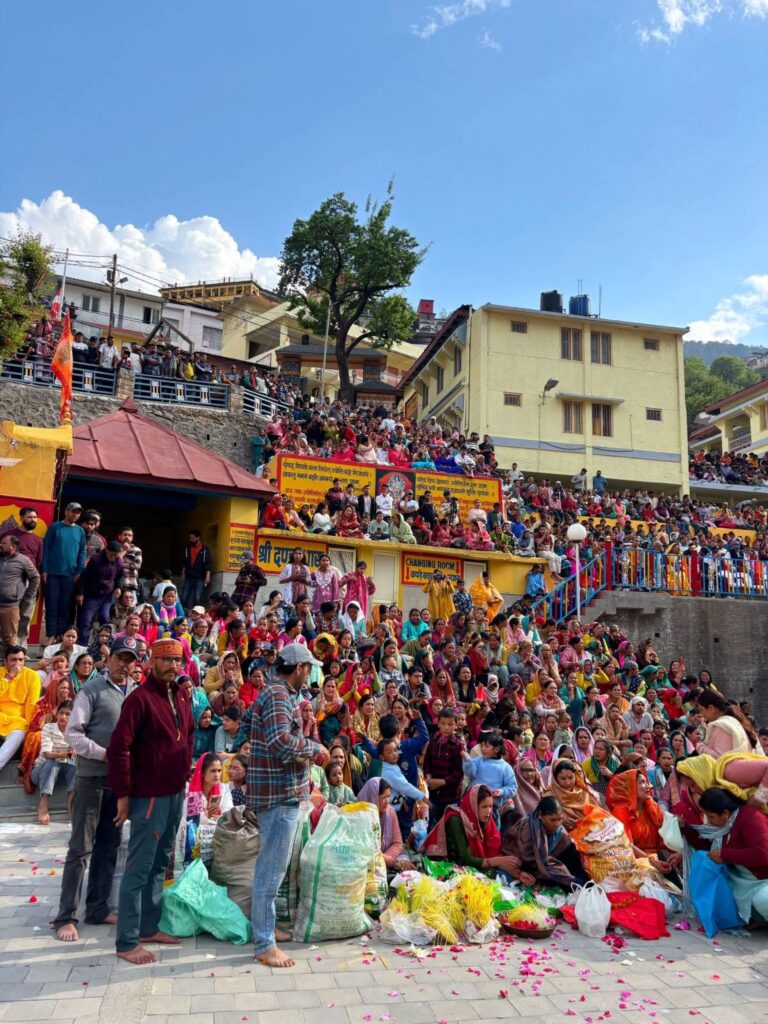
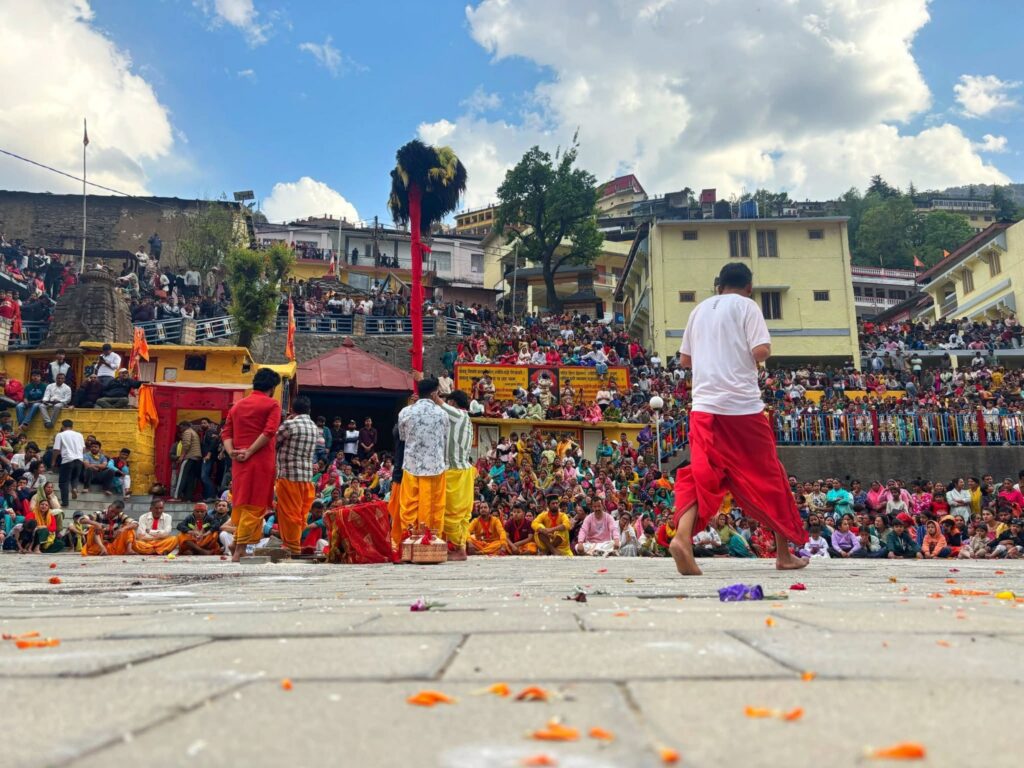
In the shadow of the Himalayas, where faith and tradition intertwine like prayer and breath, the ancient town of Jyotirmath came alive with the vibrant rhythms of the Timundya Mela—a centuries-old fair that serves as the spiritual prelude to the opening of Shri Badrinath Dham. Held in keeping with sacred custom, this gathering of devotees, traders, and tradition-bearers is not merely a market or festivity, but a ritual threshold, a communal blessing before the Lord of Badrinath welcomes pilgrims to his high-altitude abode.
Jyotirmath, one of the four cardinal monastic seats established by Adi Shankaracharya, holds deep significance in the Badrinath pilgrimage tradition. It is here that the Rawal (head priest) of Badrinath resides during the winter months when the temple remains closed under snow. And it is here, before the portals swing open, that the Timundya Mela unfolds—a confluence of commerce, devotion, and community, where farmers bring their harvest, artisans display their crafts, and families gather to seek blessings for the journey ahead.
The fair’s name itself carries echoes of antiquity, its origins woven into the fabric of Garhwali culture and the pilgrimage economy that has sustained these mountain communities for generations. Stalls overflow with religious artifacts, local produce, woolen garments, and ritual offerings. Elders share stories. Children run between rows of color and sound. And above it all, the knowledge that within days, the great temple doors will open, and the mountains will once again echo with the chant of “Jai Badri Vishal.”
As the Timundya Mela concludes, the stage is set. The goddess returns to Gangotri. The deity prepares to welcome devotees at Badrinath. The hills, patient and eternal, await the footsteps of the faithful.