
Department of Ayush Integrative Medicine at AIIMS has formulated a comprehensive agenda to promote preventive and holistic healthcare. This initiative integrates bedside yoga in IPD wards, wellness programs

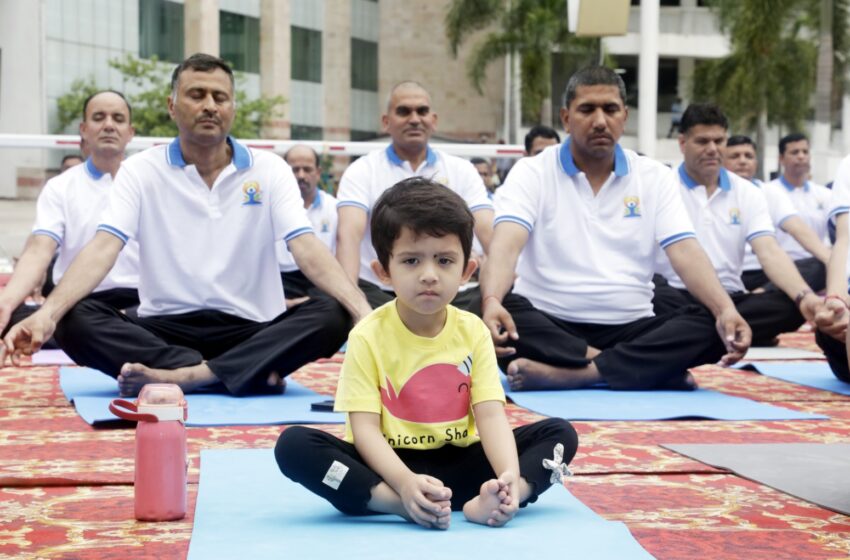
- AIIMS Ayush Department Teaches Yoga to Inpatients
- Objective: To Promote a Holistic Healthcare System
- Traditional and Modern Medical Systems Integrated
AIIMS Rishikesh
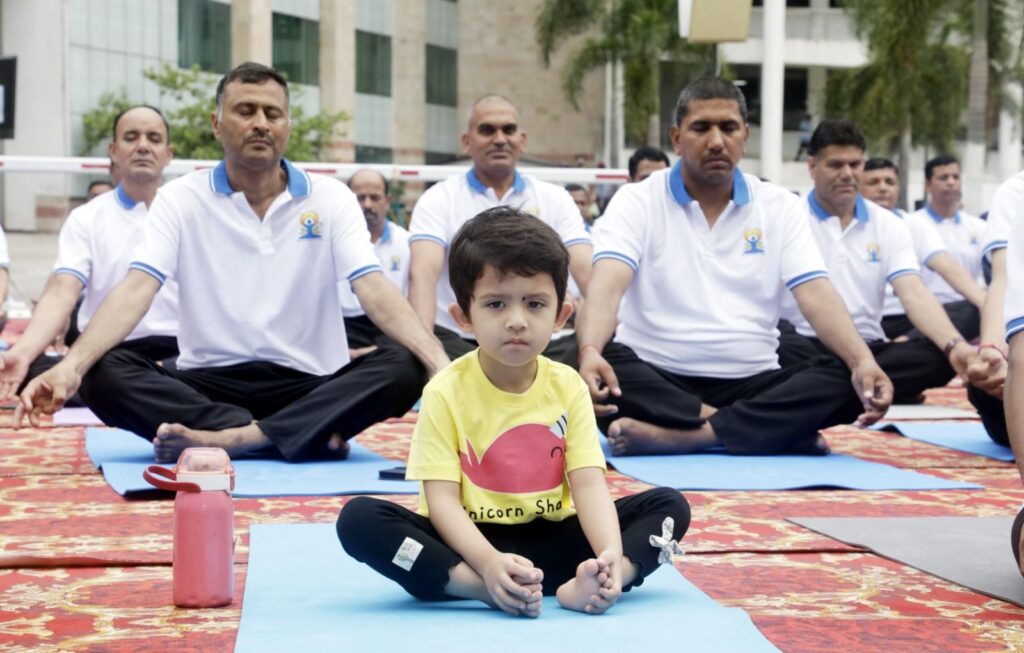
Department of Ayush Integrative Medicine at AIIMS has formulated a comprehensive agenda to promote preventive and holistic healthcare. This initiative integrates bedside yoga in IPD wards, wellness programs for caregivers, and patient-centric practices with initiatives from the Ministry of Ayush and the Ministry of Health and Family Welfare. This program reflects a commitment to integrating India’s traditional medical systems with modern medicine in an evidence-based manner. This will enable patients to receive holistic healthcare alongside standard medical treatment.
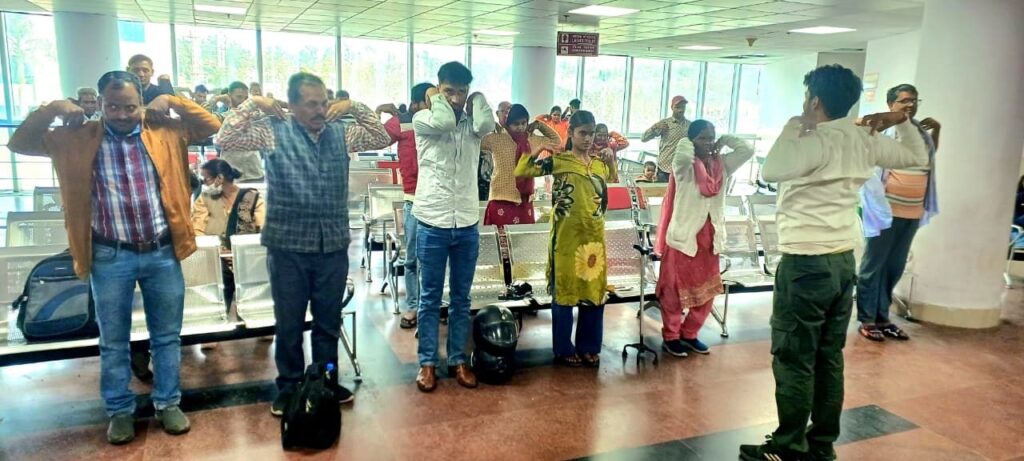
To promote holistic healthcare within the institute, the AIIMS Ayush Department has adopted the ‘Y-Break’ protocol, in alignment with government policies. This is a 10-minute workplace wellness module, developed by the Ministry of Ayush, designed to rejuvenate healthcare workers and alleviate stress. The objective is to integrate Ayush systems into preventive healthcare frameworks, thereby leading to significant improvements in people’s lifestyles, mental health, and the prevention of chronic diseases. Dr. Monika Pathania, Head of the Department of Ayush Integrative Medicine, stated that the department’s integrative approach mirrors the national vision for holistic health, wherein bedside yoga and Ayush practices complement modern medicine. She noted that the team responsible for making this program a success includes Senior Medical Officer (Ayush) Dr. Shriloy Mohanty, Medical Officer (Yoga and Naturopathy) Dr. Shweta Mishra, and Dr. Mirun Leni P. (Siddha). It is worth noting that the Ayush Department has developed specialized modules for the treatment of conditions such as hypertension and diabetes; patients suffering from these ailments are attended to at the Integrative Medicine OPD every Friday. Inset—
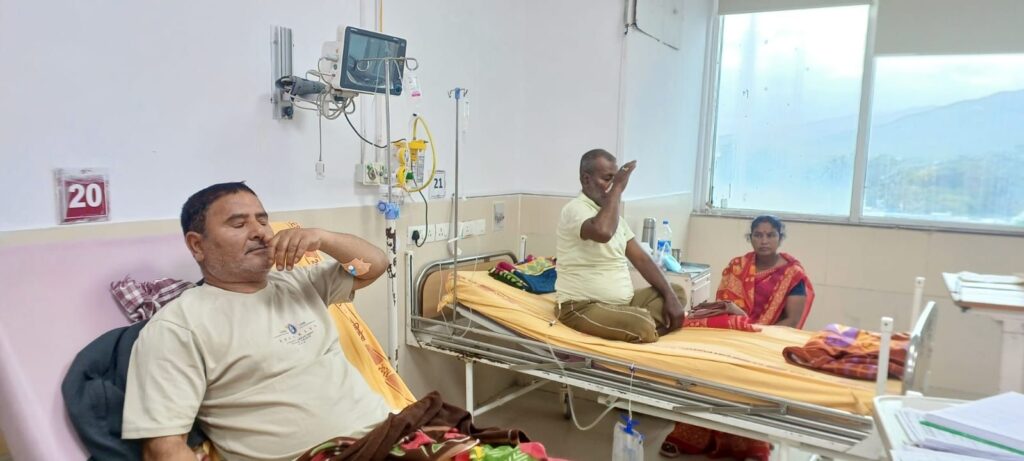
Bedside Yoga Therapy, operated under the Department of Integrated Medicine within the AYUSH Department, has become a regular service. Under this initiative, yoga is being conducted on a regular basis for patients admitted to the Pediatric Oncology Ward to alleviate stress and enhance their quality of life, incorporating yogic breathing and Pranayama practices that meet established standards. In the Geriatric Ward, the yoga sessions conducted are focused on mobility and flexibility. These yoga sessions assist elderly patients with stress management and improved health outcomes. In the Urology Ward, special yoga sessions are organized for patients with urological conditions, both pre- and post-surgery; this aids significantly in their recovery process.
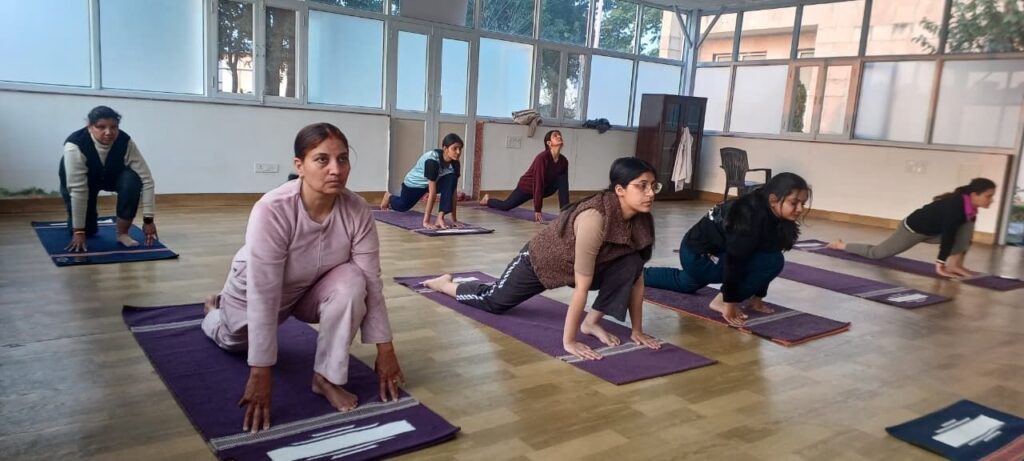
To further extend these benefits, the department has established specialized clinics. The Lifestyle Clinic promotes preventive health through diet, yoga, and lifestyle modifications. The Pediatric Asthma Clinic focuses on respiratory health by guiding patients through breathing exercises and gentle asanas (postures). Furthermore, to address professional fatigue, a dedicated “Professional Burnout and Well-being Clinic” regularly hosts 15–20 minute yoga sessions. These sessions cater to doctors, nurses, and staff members from various departments—including Geriatric Medicine, Transfusion Medicine, Telemedicine, Urology, and Ophthalmology. Moreover, caregivers and patient attendants are also being encouraged to practice yoga through structured stress-management sessions and brief “Yoga Breaks” (Y-breaks) conducted within the OPD waiting areas.
“Yoga is no longer confined merely to physical exercise; it has now come to be viewed as a philosophy of life. Traditional and modern medical sciences are increasingly becoming complementary to one another. To establish a balance between the body and the mind, it is essential that we embrace holistic health alongside the practice of yoga and Pranayama. By doing so, we will not only move closer toward achieving holistic well-being ourselves, but we will also significantly strengthen the healthcare sector as a whole.”
— Prof. Meenu Singh, Executive Director, AIIMS Rishikesh.