
Passport-Visa Mandate for Nepali Porters Triggers Crisis in Uttarkashi Adventure Tourism
- Uttrakhand
RW Media
- 0
- 4 minutes read
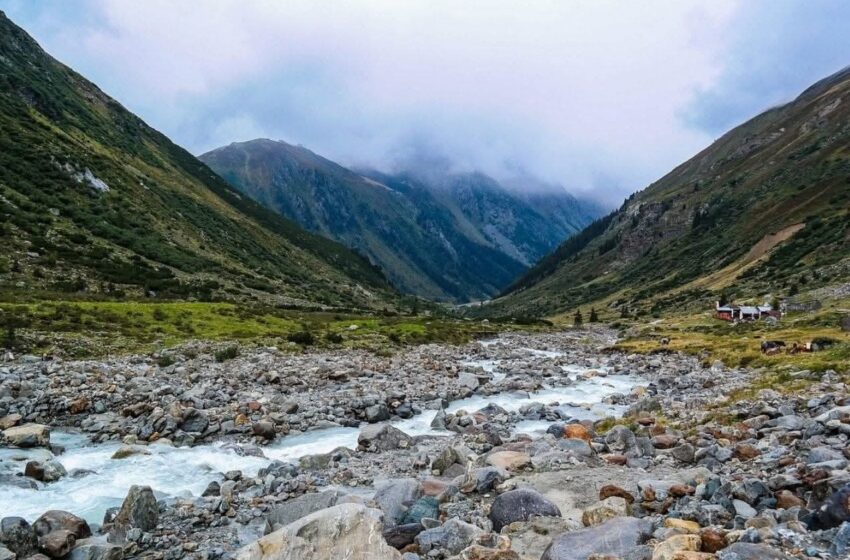
Uttarkashi: The adventure tourism sector in Uttarkashi district is facing a severe operational crisis following an administrative directive mandating passports and visas for porters of Nepali origin engaged on the Kalindi Pass trek route. Trekking industry organisations have warned that the regulation, which they describe as wholly impractical, has pushed scores of expeditions to the brink of cancellation, threatening the livelihoods of thousands dependent on the sector.
The Garhwal Himalaya Trekking and Mountaineering Organization has formally written to the District Magistrate of Uttarkashi and the Sub-Divisional Magistrate of Bhatwari, demanding immediate relaxation of the rules.
Expeditions at Risk, Economy Under Strain
According to trekking agencies, the implementation of the new regulations has triggered a wave of booking cancellations by both national and international trekking groups. The economic fallout is being felt across the tourism supply chain — affecting hoteliers, homestay operators, vehicle owners, and local guides in the border region.
No Viable Alternative, Says Organisation
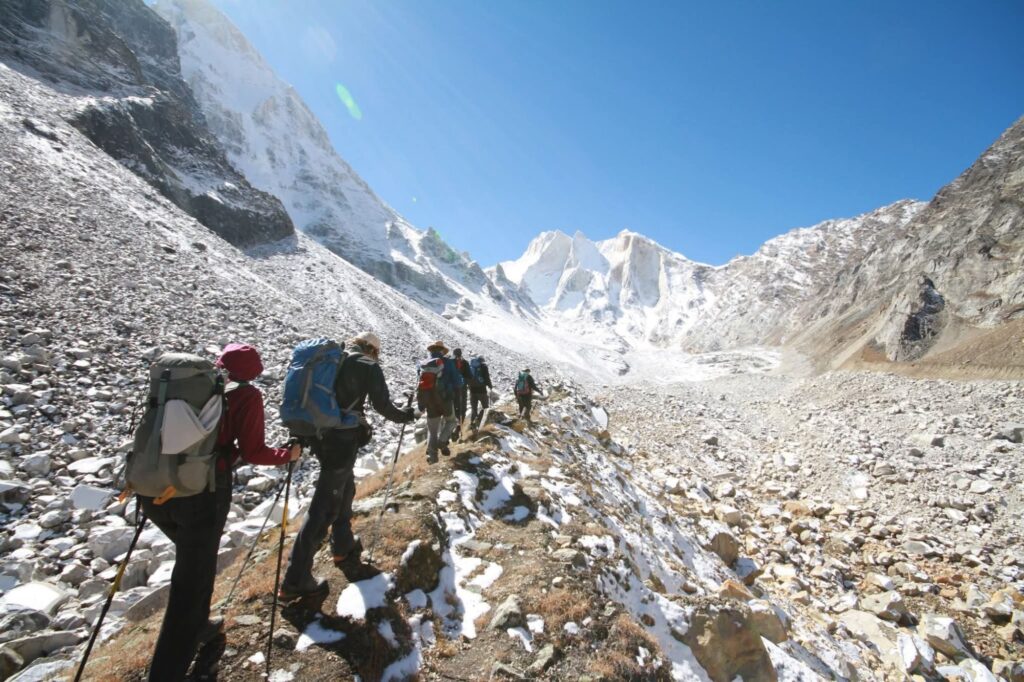
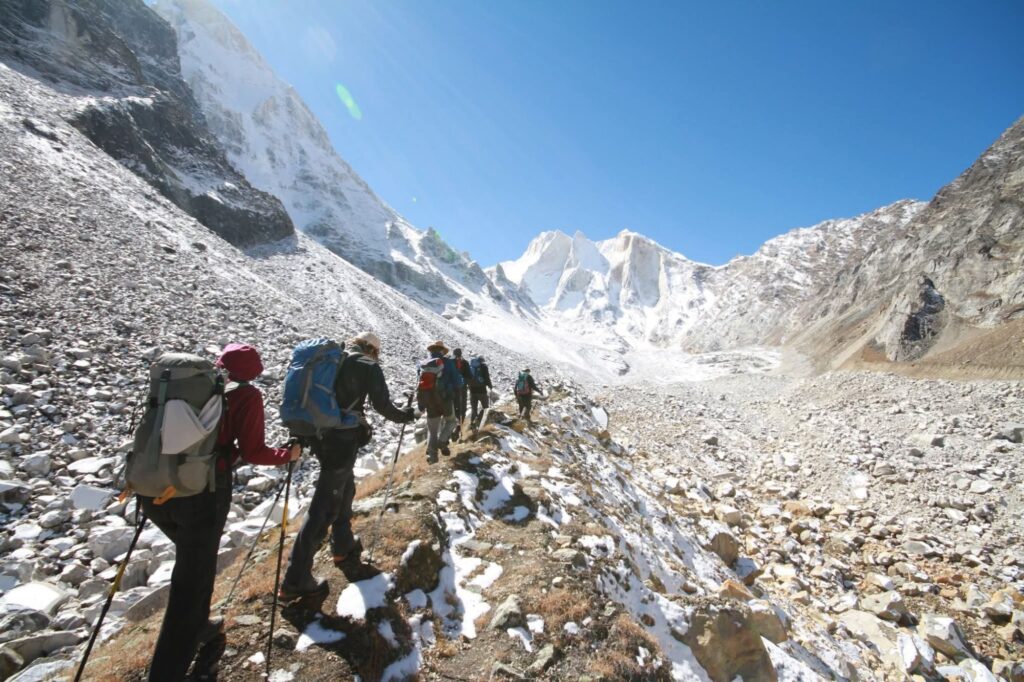
Jayendra Singh Rana, President of the Garhwal Himalaya Trekking and Mountaineering Organization, stated that Nepali porters are indispensable for high-altitude treks such as Kalindi Pass, situated at approximately 5,950 metres. “There is no viable alternative to Nepali labourers for carrying heavy equipment and logistics on such arduous routes. Conducting expeditions without their assistance would amount to compromising tourist safety,” he said.
Rana highlighted a regulatory inconsistency, noting that border-area agencies including the BRO, Army, ITBP, and BSF engage Nepali workers based on identity cards and police verification — without any passport or visa requirement. He added that an insufficient number of local porters are willing to undertake such demanding high-altitude work, as most local youth are gravitating towards other forms of employment.
1950 Treaty Invoked
The organisation has cited the India-Nepal Treaty of Peace and Friendship (1950), under which citizens of both countries are entitled to rights of movement, residence, and livelihood without passports or visas. The current directive, the organisation contends, violates the spirit of this bilateral agreement.
Demand: Restore Inner Line Permit System
The organisation has urged the administration to waive the passport and visa requirement for Nepali workers and restore the previous practice of issuing Inner Line Permits based on Nepali citizenship certificates, local police verification, and an affidavit from a registered trekking agency. Office bearers have warned that unless immediate relief is provided, adventure tourism in this border region could come to a complete standstill.