
Homecoming: How Bageshwar’s Fields Are Calling Its Children Back
- Uttrakhand
RW Media
- 0
- 5 minutes read
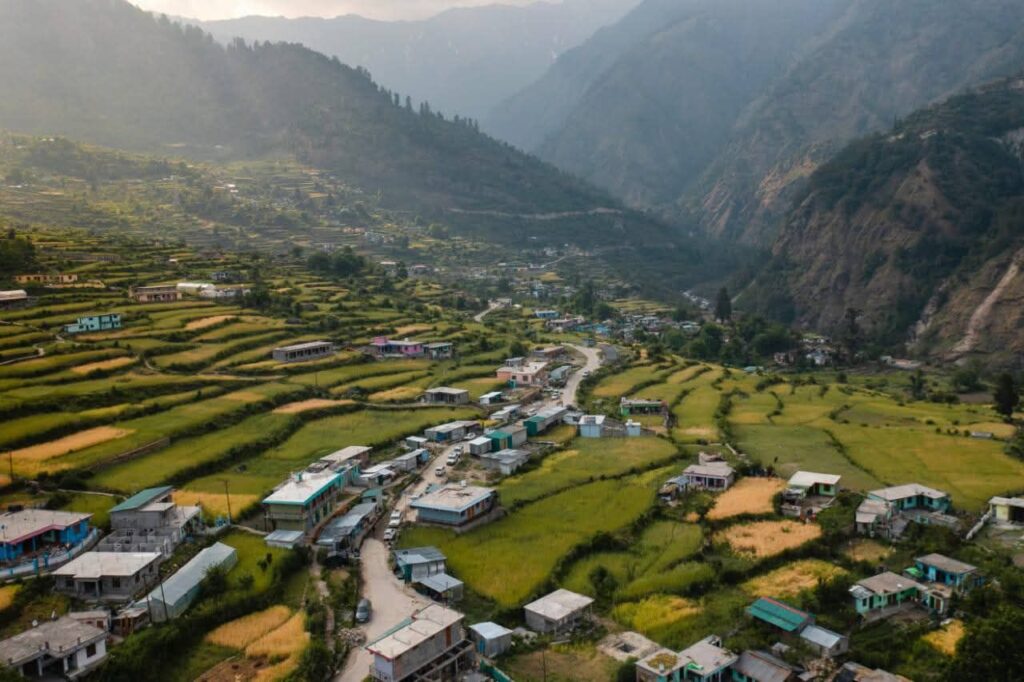
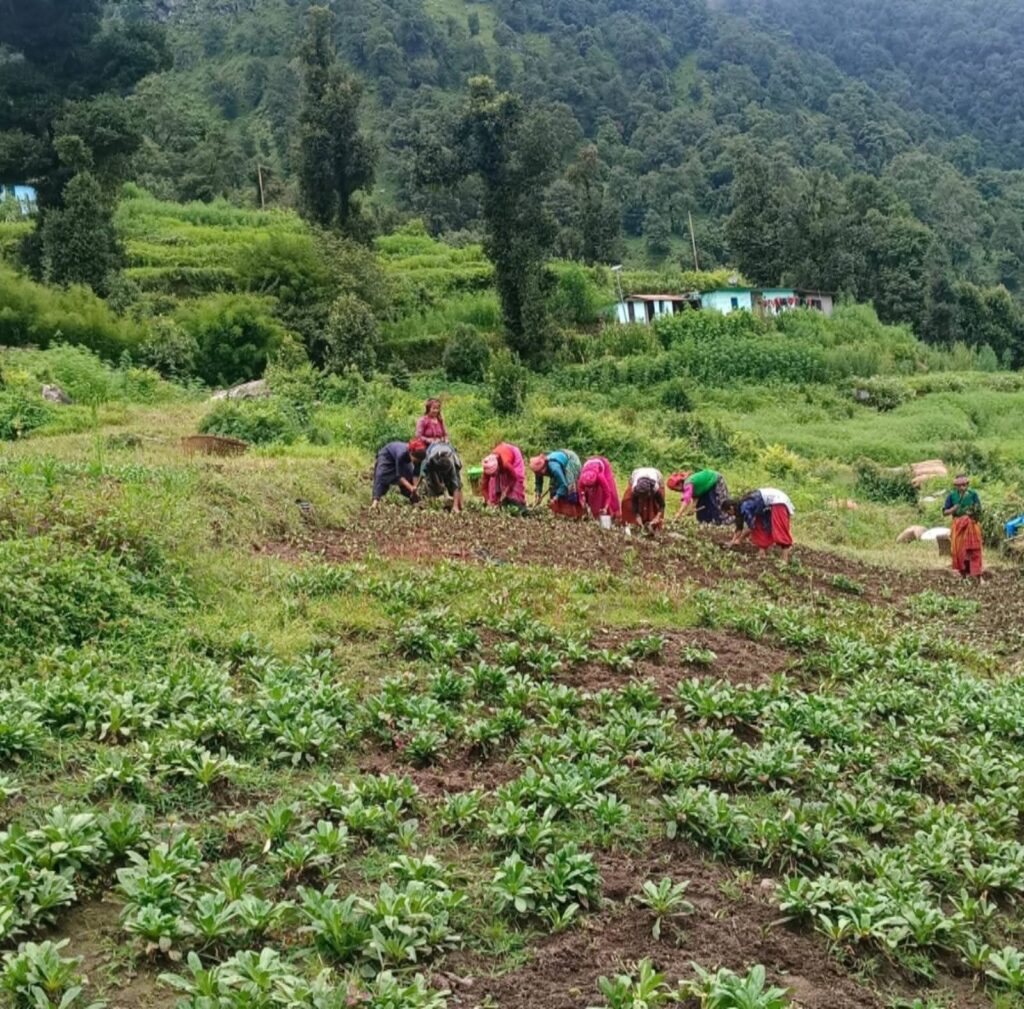
For decades, Uttarakhand’s hilly terrain has watched its young depart—a silent exodus toward distant cities in search of livelihoods that the mountains could not provide. But in Bageshwar district, a quiet revolution is unfolding. The migration tide is turning, and the hills are calling their children home.
This is not merely a return—it is a renaissance. Armed with modern technology and backed by government schemes, hundreds of young people and farmers are reclaiming their ancestral lands, transforming them into thriving enterprises that are rewriting the economic destiny of their villages.
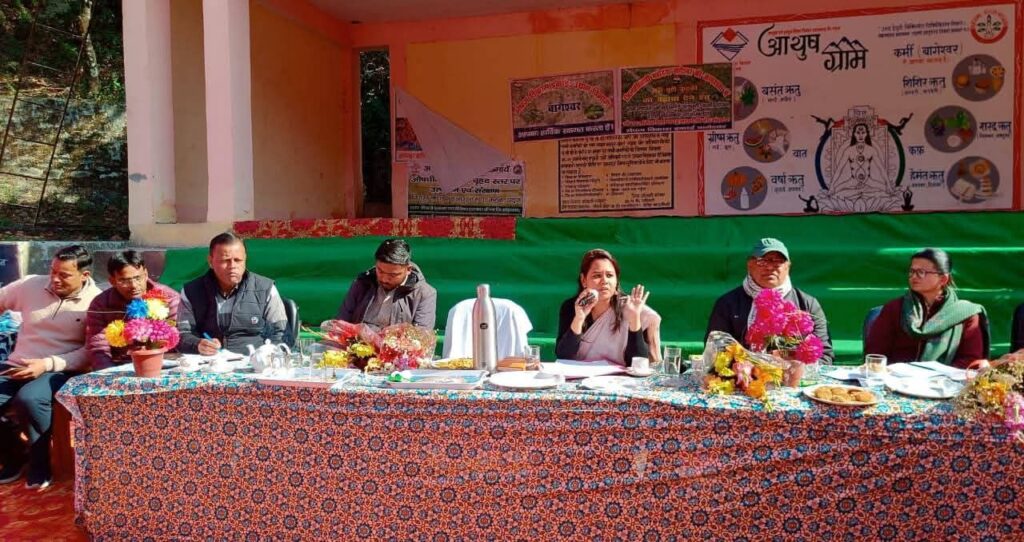
Under the vision of Chief Minister Pushkar Singh Dhami and the determined stewardship of District Magistrate Akanksha Konde, Bageshwar has become a laboratory for rural transformation. Through coordinated efforts of the Horticulture, Agriculture, and Fisheries departments, farmers are being equipped with polyhouses, modern machinery, and technical know-how—all subsidized between 80 to 90 percent.
From Migration to Models
Manoj Koranga of Saligaon exemplifies this transformation. He has turned his family land into an integrated farming ecosystem featuring three polyhouses, three fish ponds, and a food processing unit. His annual earnings of ₹3 to ₹4 lakhs not only sustain his family but also provide employment to 4–5 local residents—each job a small victory against migration.
In Garur Block, Chandrashekhar Pandey has become an entrepreneur of wellness. Across two hectares, he cultivates organic and medicinal treasures—Tulsi, Lemongrass, Ashwagandha, and Rosemary—marketing them under the brand ‘Him Natural.’ His annual income of ₹7 to ₹8 lakhs proves that Uttarakhand’s soil can yield not just sustenance, but prosperity.
Meanwhile, farmer Dan Singh, trained under the ATMA Scheme and RKVY, has achieved what seemed improbable: a 30–40 percent surge in crop yields coupled with dramatically reduced production costs, thanks to vermicompost, line sowing, and modern agricultural techniques.
Women Leading the Return
Perhaps most inspiring is the emergence of women as architects of this agricultural awakening. Hasi Shah of Manyuda village has transformed 38 nali of land through scientific farming methods, cultivating coarse grains and vegetables with equipment subsidized at 80 percent by the Agriculture Department. Her annual income now reaches ₹4 to ₹5 lakhs—but her true wealth lies in empowerment. She is currently training over 40 women, creating a ripple effect of self-reliance that extends far beyond her own fields.
The Kiwi Miracle
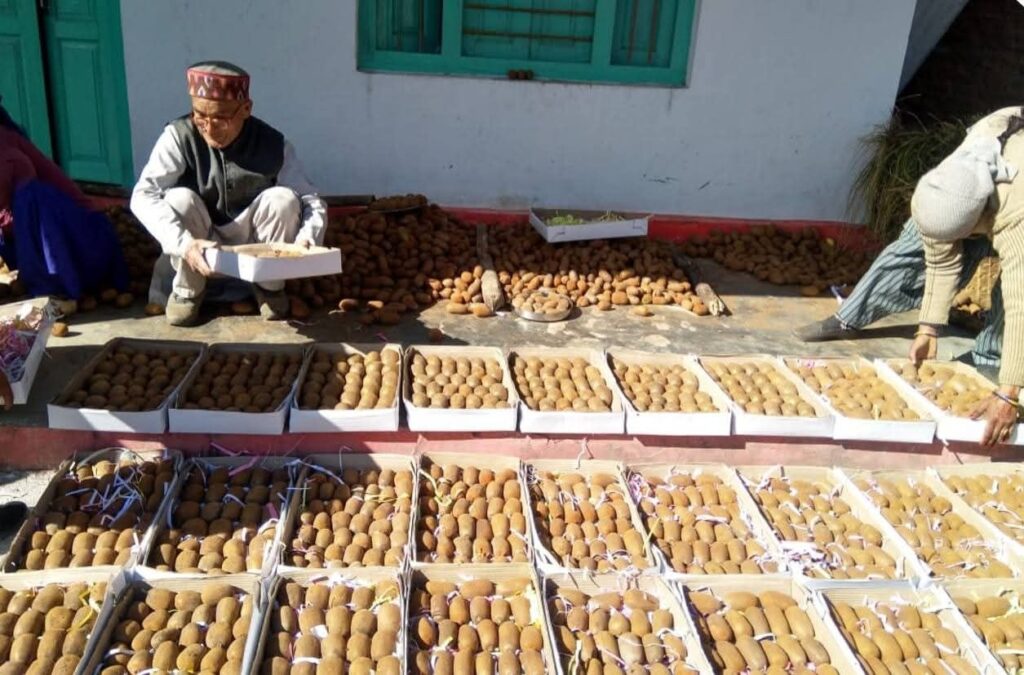
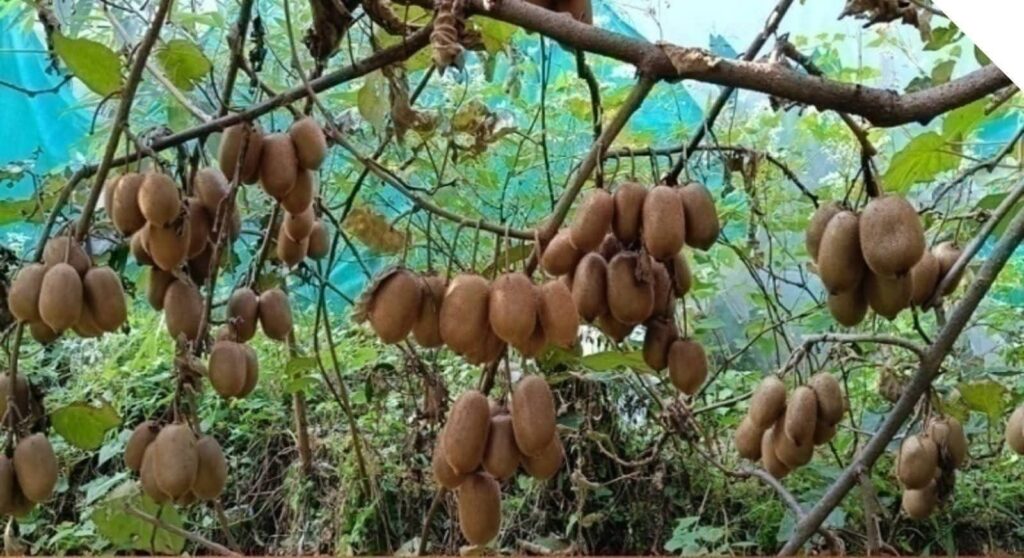
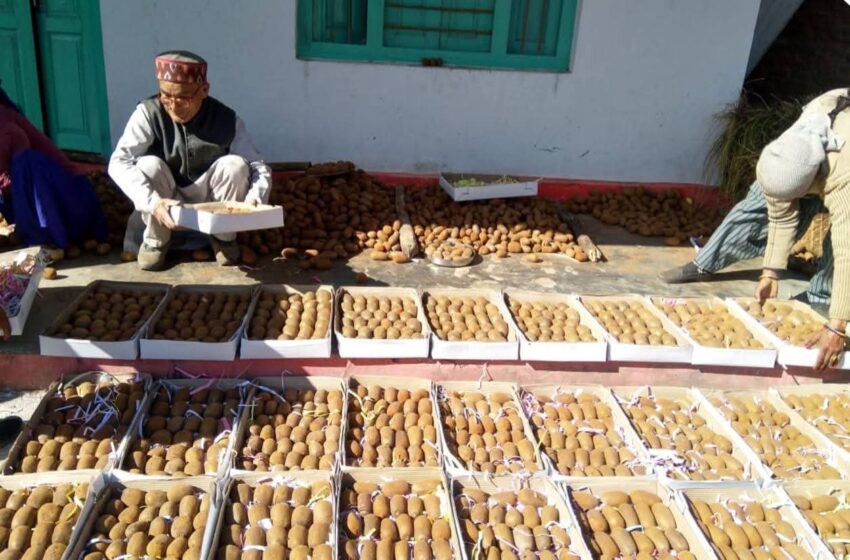
The district’s kiwi cultivation story reads like agricultural folklore. What began as a modest 5–8 hectares before 2022–23 has exploded to approximately 80 hectares today. Production has soared from 100–110 quintals to over 1,100 quintals, while the farming community has expanded from 40–50 individuals to over 350. The economic impact is staggering: total income has leaped from ₹13–14 lakh to between ₹1.5 crore and ₹1.7 crore.
Complementing this is the cultivation of ‘Kutki,’ a prized medicinal herb, undertaken by 350 women across 46 hectares, generating approximately ₹70 lakh in income.
Bageshwar’s story is not just about agriculture—it is about dignity reclaimed, communities rebuilt, and a generation choosing to stay. In these polyhouses and fish ponds, in these fields of kiwi and Kutki, lies a profound truth: when opportunity meets tradition, migration becomes a memory, and home becomes a destination once more.